
Things You Should Know Before Buying Your First Home
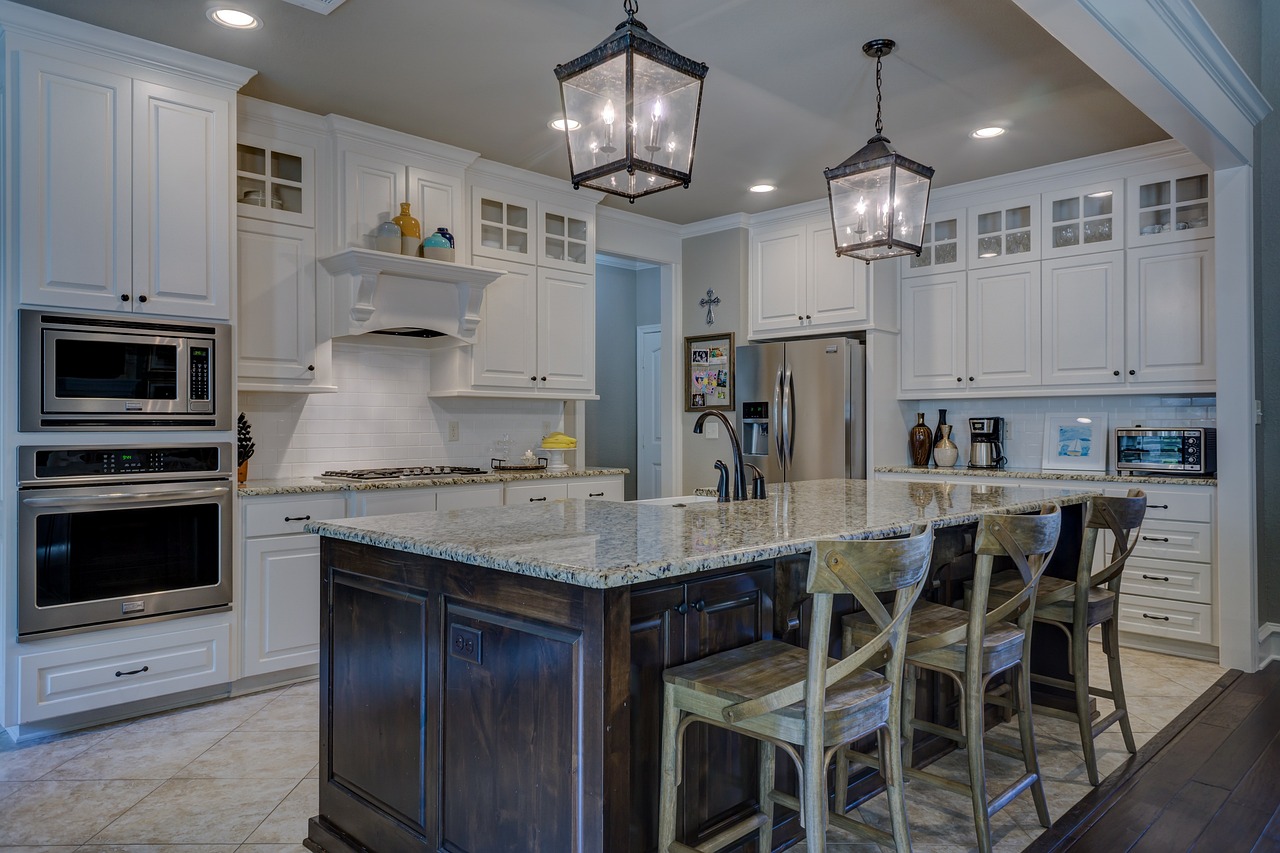
Buying your first home is exciting, but it can also feel a little overwhelming. There are a lot of moving parts, and it’s easy to get caught up in finding the perfect home before thinking about everything that comes with actually buying one. A little preparation can go a long way and help make the process feel much more manageable.
Know What You Can Comfortably Afford
The home itself is important, but so is everything around it. Think about your daily routine and what you want your life to look like in your new home. How long will your commute be? Are there restaurants, shopping, parks, or other things you enjoy nearby? If schools are important to you, be sure to research the areas you are considering.
It can also be helpful to drive through a neighborhood at different times of the day so you can get a better feel for it. A beautiful home may check all the boxes, but if the location does not work for your lifestyle, you may not love living there.
Think About Where You Want to Live
Before you start touring homes, take a close look at your budget and think about what monthly payment feels comfortable for you. Your mortgage payment is only one part of the overall cost of owning a home. You will also want to consider property taxes, homeowners insurance, HOA fees if applicable, utilities, maintenance, and the occasional unexpected repair.
Getting pre-approved for a mortgage is a great place to start because it gives you a better idea of what you can afford and helps you narrow down your search. Just because you are approved for a certain amount does not necessarily mean you need to spend that much. It is important to make sure your monthly payment fits comfortably into your overall budget.
Know Your Must-Haves
Before you start looking at homes, make a list of the things you really need. Maybe you need three bedrooms, a garage, or a home office. Maybe having a backyard or a finished basement is important to you. Once you have your list, separate your must-haves from the things that would simply be nice to have.
It is rare to find a home that checks every single box, especially when you are working within a specific budget. Knowing what matters most to you can help you stay focused and make the process of comparing homes much easier.
You may also find that your priorities change once you start touring homes. Something you thought was a must-have may not seem as important in person, while another feature you had not considered may quickly move to the top of your list. Give yourself some flexibility as you figure out what really works for you.
Be Prepared for the Extra Costs
One of the biggest things first-time buyers sometimes overlook is that there are costs beyond the down payment and monthly mortgage. Closing costs, inspections, moving expenses, and any updates you want to make after moving in can add up quickly.
You may also find that your new home needs a few things shortly after you move in, even if it is in great condition. Having some money set aside for these expenses can give you peace of mind and make the transition into homeownership a little less stressful.
Don’t Skip the Home Inspection
Even if a home looks perfect when you walk through it, an inspection is still an important part of the buying process. A professional inspector can take a closer look at things like the roof, HVAC system, plumbing, electrical, foundation, and other major components of the home.
An inspection does not mean you should expect everything to be perfect. Every home has its quirks and normal wear and tear. The goal is to have a better understanding of the home’s condition so you know what you are buying and can make a decision with as much information as possible.
It can also give you a better idea of what maintenance or repairs may be needed in the future. Having that information upfront can help you plan and avoid surprises after you move in.
Remember That Your First Home Doesn’t Have to Be Perfect
It’s easy to get caught up in the idea that your first home needs to be move-in ready with every feature you want. In reality, you may need to make a few compromises or take on some projects along the way. Focus on finding a home that meets your most important needs and works for your budget and lifestyle.
Some things can be changed over time, whether it’s updating a kitchen, painting a room, or making the space feel more like your own. Give yourself room to see the potential in a home rather than expecting everything to be exactly how you pictured it.
Your first home is a starting point, not a finished product. With time, you can make changes that reflect your style, needs, and lifestyle.
Ask Questions and Take Your Time
Buying your first home is a big decision, so do not be afraid to ask questions along the way. Your real estate agent, lender, inspector, and other professionals involved in the process are there to help you understand what is happening and what to expect next. You do not need to know everything before you get started.
The more comfortable you become with the process, the easier it will be to recognize the right opportunity when it comes along. Take your time, do your research, and do not be afraid to speak up if something does not make sense.
At the end of the day, buying your first home should be an exciting experience, not one that leaves you feeling completely overwhelmed. With a little preparation, a realistic budget, and a clear idea of what you are looking for, you can go into the process feeling more confident and ready to find a place you will be happy to call home.
Don’t be afraid to take your time, ask questions, and surround yourself with people you trust throughout the process. When you find the right home, all those little steps will be worth it. Here’s to finding a place you’ll love coming home to!
Kim Grant
Broker, john greene Realtor
630.251.4244
